# AI Model Price War Ignited: Huge Price Drops on GPT-6 and Opus 5.5, Tokens Enter the Cabbage Price Era
## 1. The Two-Hour Blitz: Tech Giants Ignite the AI Price War
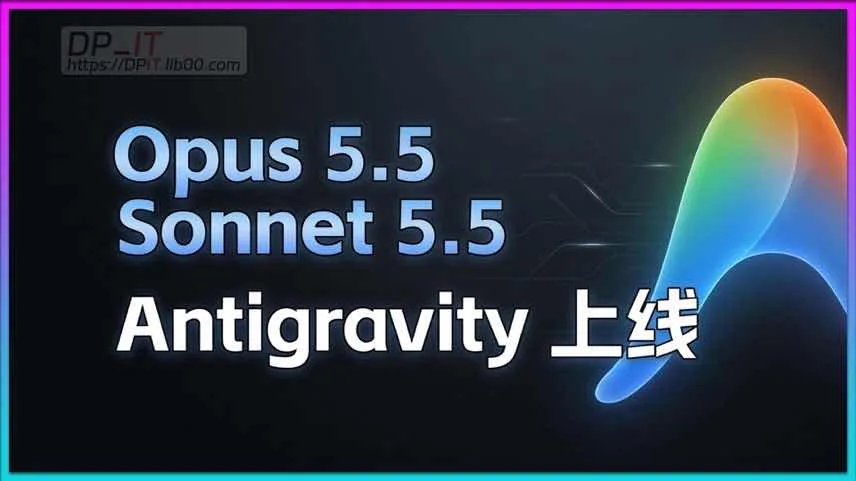
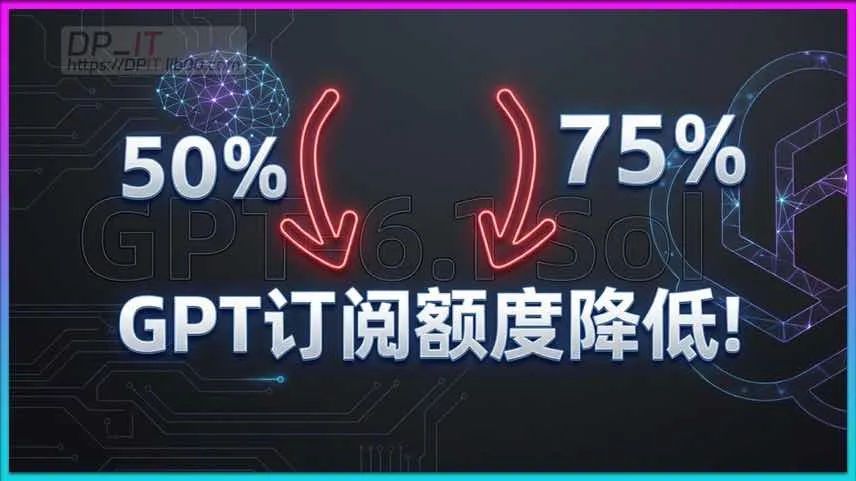
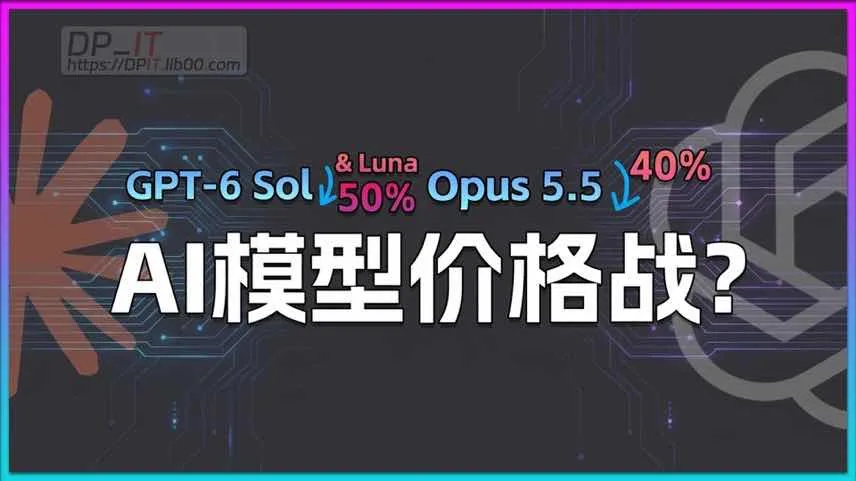
On September 23, the AI industry witnessed a historic "two-hour blitz." Anthropic took the lead by announcing the **Opus 5.5** model, claiming a 40% price reduction compared to the previous generation (largely derived from a massive cut in cache input price from 0.5 to 0.2). Less than two hours later, OpenAI aggressively retaliated by releasing two models: **GPT-6 Sol** and **GPT-6 Luna**. GPT-6 Sol brought a flat 50% price drop from its predecessor, while Luna, targeting outright affordability, slashed its output pricing by more than 50%, effectively breaking the floor price. This cliff-like price dropping by top-tier vendors officially marks the beginning of the "cabbage price" era for AI Tokens.
## 2. A "Survival Crisis" for Competitors and Open-Source Models
The fierce price war launched by industry leaders has triggered massive shockwaves and chain reactions across the ecosystem:
* **Grok 4.7**: Released just one day earlier on Sept 22 with adjusted lower pricing, it was instantly blindsided by GPT-6's 50% plunge, leaving it in a highly passive state.
* **Gemini 4.0**: Google's Pro series has been absent for over 200 days. With the price war fully underway, Google's unannounced pricing strategy faces a severe test of whether to match the bleeding prices or hold its ground.
* **Open-Source Vendors**: Taking the previously cost-effective DeepSeek V4.1 as an example, its market position was built on price advantages. However, matched against the shockingly cheap GPT-6 Luna, this advantage is being severely compressed. The window of opportunity for open-source vendors is closing rapidly. This accelerated industry shakeup has even cascaded into the financial markets, causing sharp slides in AI-related stocks (e.g., Zhipu).
## 3. Practical Strategies for Everyday Users
Fierce market competition is immensely beneficial for general users. Considering the current complex subscription landscape, the creator offers the following practical advice:
1. **For OpenAI Subscribers**:
* First, check if your account is experiencing an "AI downgrade" (clandestine performance/compute throttling).
* If not downgraded and you have abundant Tokens, rely entirely on the flagship **GPT-6 Astra** for all your workflows.
* If Tokens are tight, adopt a **mixed workflow**: use Astra for high-level planning and the cheaper Sol for execution. This combination is ideal for high-frequency tasks in the cheap Token era.
* When using GPT-6 Sol, it's recommended to enable the `xhigh` reasoning/thinking intensity for optimal quality.
* **Warning**: The "downgrade" issue has not disappeared with the release of GPT-6. If it affects your work, consider requesting a refund, as market alternatives are now plentiful.
2. **For Anthropic Subscribers**: Opus 5.5 comes to the table with strong performance and massive future potential; however, users must remain cautious of Claude's notoriously strict account banning policies.
3. **Embrace Ultra-Cheap Models**: Since GPT-6 Luna is fundamentally cheap, it unlocks possibilities for minor, localized automation workflows previously deemed too expensive. Users are encouraged to experiment and dig deep for pleasant surprises.
## 4. Conclusion and Reflection: Does Local Deployment Still Make Sense?
As the industry rapidly consolidates and cloud Tokens hit dirt-cheap prices, cloud LLMs are dominating in both cost and intelligence. Yet, in today's environment, **local AI deployment** still holds two irreplaceable core values:
1. Ensuring absolute **data privacy** and security for sensitive enterprise or personal workflows.
2. Completely bypassing the unpredictable and frequent **"downgrading" (throttling)** and account bans imposed by cloud vendors (such as the frustrating three-week downgrade streak of GPT-6 Astra), ensuring AI productivity remains fully within the user's control.